

Roof Repair vs. Replacement | Rivera Contractors & Roofing
At some point, most homeowners find themselves staring up at their roof and wondering if it just needs a patch or if it is time to start fresh. A few key factors tend to guide that decision, and understanding them can make the choice feel a lot less confusing.
Roof Age and Material Lifespan
Every roofing material has a general lifespan, and that lifespan plays a big role in whether repair or replacement makes more sense. Asphalt shingles tend to last for a good number of years, while metal roofing is known for holding up much longer. Tile roofs often outlast both of these by a wide margin when they are properly maintained.
A helpful way to think about it is this: if a roof is getting close to the end of its expected lifespan, leaning toward replacement usually makes more sense than continuing to patch it up. A younger roof is often still a strong candidate for repair, since it likely has plenty of life left once the issue is fixed.
Age alone does not tell the whole story, though. Two roofs built around the same time can age differently depending on how well they were maintained and what kind of weather they have faced over the years. That is part of why age works best as one piece of a bigger picture rather than the only factor in the decision.
Extent of the Damage
The size and spread of the damage also matter quite a bit. A missing shingle here or a small leak there is usually something a repair can handle without much trouble. These kinds of issues tend to be isolated, which makes them easier and quicker to fix.
Widespread damage tells a different story. When trouble shows up across a large portion of the roof, or when it affects multiple slopes at once, a repair might only solve part of the problem.
In cases like this, replacement often ends up being the more practical path forward. Instead of chasing individual trouble spots one at a time, a full replacement addresses the entire roof in one project, which can save both time and future frustration.
It also helps to think about how damage tends to spread over time. A small issue left unaddressed can sometimes grow into a larger one, especially after a few more seasons of weather exposure, which is part of why catching problems early makes the eventual decision easier either way.
Cost Comparison Between Repair and Replacement
Cost is one of the biggest factors homeowners weigh, and it is worth looking at the ratio between repair and replacement rather than just the repair price on its own. If the cost of repairing a roof starts to approach a large portion of what a full replacement would cost, that is usually a sign that replacement offers better long-term value.
This is especially true for older roofs. A costly repair on a roof that is already near the end of its life might only buy a short amount of extra time before another issue pops up, which can make the repair feel like a temporary fix rather than a lasting solution.
Comparing these numbers side by side, even loosely, can help clarify which option makes more financial sense down the road. It is a useful exercise even before reaching out for a professional opinion, since it gives homeowners a starting point for the conversation.
Structural Integrity of the Roof
Beyond the surface, what lies underneath the shingles or tiles matters just as much. Solid decking usually means a repair can be done safely and effectively, since the foundation supporting the roof is still in good shape.
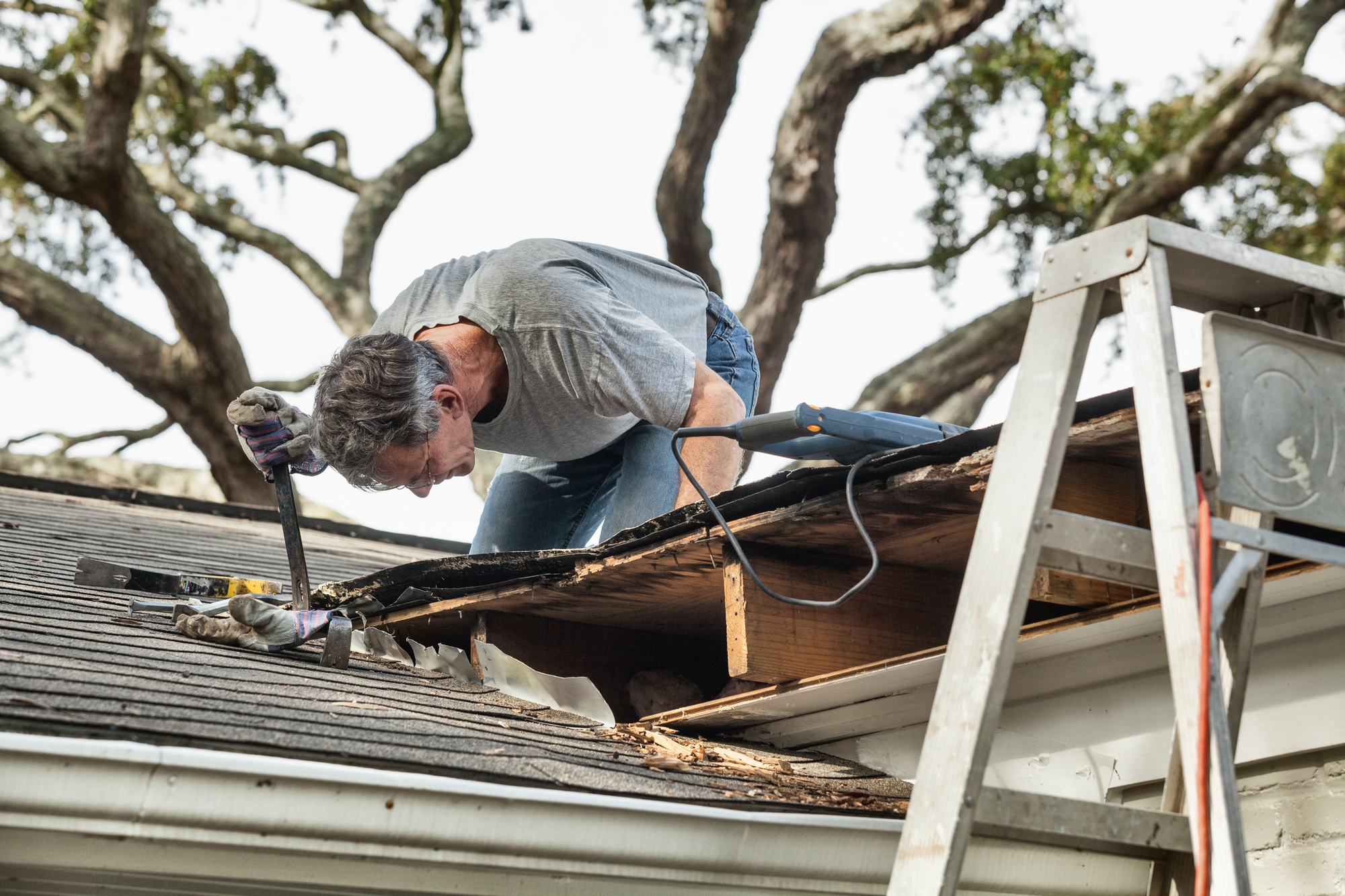
When decking has started to rot or sag, replacement becomes the safer and more reliable choice. Trying to repair a roof on top of a weakened structure rarely solves the underlying issue, and it can lead to more serious problems later on.
A quick inspection from a trusted provider ofroofing servicescan usually clarify which situation applies to your home, since structural issues are not always visible from the ground. Catching these details early often makes the whole process feel more manageable, rather than something that gets discovered partway through a project.
Risks and Trade-Offs to Consider
Every choice comes with its own set of trade-offs, and it helps to understand them before deciding. Repairs are often quicker and less expensive upfront, but they can sometimes mask deeper issues that resurface later, which may lead to repeated repairs over time.
Replacement, meanwhile, comes with a higher initial cost, but it resets the clock on the roof's lifespan and tends to reduce the chances of recurring problems.
It is also worth checking your insurance policy, since some plans cover replacement when the damage is tied to a storm or another covered event. Reviewing your coverage ahead of time can make the decision a little easier and may even shift which option makes the most financial sense.
A Practical Way to Decide
When narrowing down the choice, it can help to picture two different scenarios. In the first, the roof is relatively young. Damage is limited to a small area, and the structure underneath remains sound. That combination usually points toward repair, since it solves the immediate issue without the larger investment of a full replacement.
In the second scenario, the roof is aging and showing its years. Damage stretches across a wide area, and repair costs start creeping close to the price of a full replacement. This combination usually points toward replacement being the smarter move over the long term.
Thinking through these scenarios together, rather than focusing on just one factor, tends to lead to a more confident decision.
Making the right call between repair and replacement does not have to be overwhelming.Reach outto our team today to talk through your roof's condition and find the option that fits your home best.
Frequently Asked Questions
How long does a typical roof repair take compared to a replacement?
Repairs are usually completed much faster than a full replacement, since they focus on a smaller section of the roof rather than the entire surface.
Can a roof be repaired more than once before it needs replacement?
In many cases, yes, especially if the damage stays limited to small areas each time. Repeated repairs across a wide portion of the roof, though, often signal that replacement may be a better long-term option.
Does the type of roofing material affect this decision?
It can. Some materials naturally last longer than others, which changes how age factors into the decision between repair and replacement.
Is it possible to get a professional opinion before deciding?
Yes. A trained eye can often spot details or issues that are hard to notice from the ground, which makes this one of the easiest ways to move forward with confidence.
Will replacing a roof affect my home's overall value?
A newer roof can be a nice addition to a home's overall condition, though the exact impact depends on several factors specific to the property.