


Top Roofing Styles | Rivera Contractors & Roofing
The shape of your roof does more for your home's exterior than most people realize. It sets the tone for the whole facade, working alongside your siding and landscaping to create that first impression everyone notices, and the right style can turn an ordinary home into one people slow down to look at. This guide walks through a few of the most popular roofing styles and what makes each one stand out.
Gable Roofs
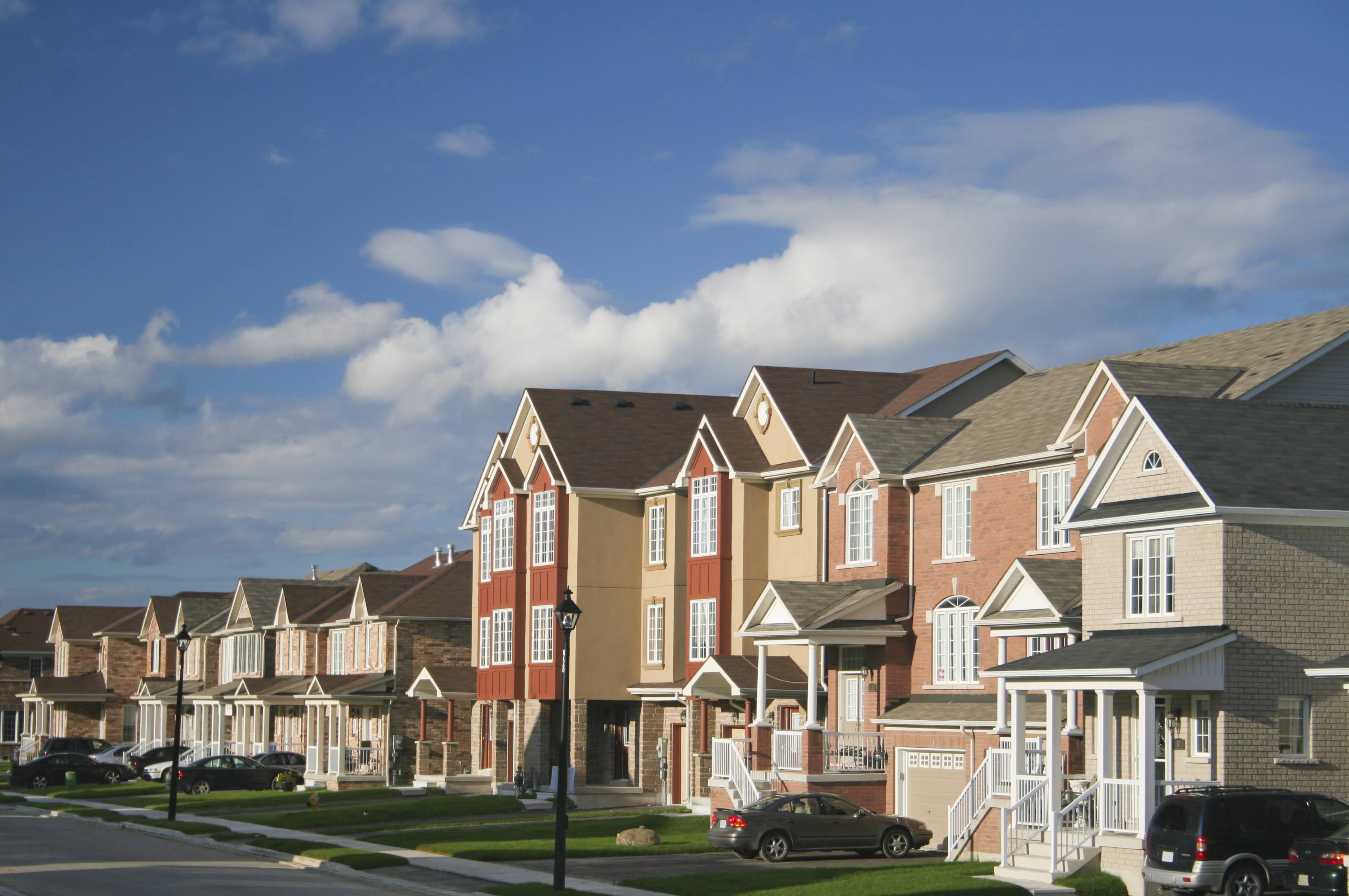
A gable roof is instantly recognizable thanks to its triangular shape, formed by two sloping sides that meet at a ridge. This simple, timeless profile has stayed popular for generations, and it still fits comfortably on nearly any type of home.
Water and snow tend to slide off a gable roof easily, which is part of why it remains a common sight in areas that see heavy rain or regular snowfall. The style pairs naturally with cottages and farmhouses, though plenty of modern homes use a gable roof too, often dressed up with cleaner lines to match a more contemporary look. It also tends to work well with a range of exterior materials.
Brick exteriors take on a classic feel underneath a gable roof, and wood siding brings out its cozy, cottage-like charm just as easily. Stone accents pair nicely too, adding a bit of texture that balances the roof's clean geometric lines.
Hip Roofs
A hip roof takes a slightly different approach, with four sloping sides that all come together at a central peak. The result is a balanced, symmetrical look that many homeowners find appealing.
This shape also tends to perform well in windy conditions, since the slanted sides on every edge give the wind less to grab onto compared to a roof with flat vertical ends. Ranch homes and bungalows often use this style, and it suits wide, low-profile facades particularly well. Homeowners looking to add a bit more personality to a hip roof sometimes bring in dormers or skylights, which break up the roofline and let in extra natural light without changing the overall shape too much.
Architectural Shingles
Architectural shingles bring texture and depth to a roof that standard flat shingles simply cannot match. The layered design creates shadow lines across the surface, giving the whole roof a more dimensional look from the street. Beyond appearance, these shingles are built to handle strong winds and resist issues like mold or algae growth over time.
They also tend to offer a nice middle ground on cost, since they sit above basic asphalt shingles in price but well below some of the premium material options available on the market. Craftsman-style homes often use this type of shingle to bring out their detailed rooflines. Traditional builds benefit from the added texture as well. Even plenty of modern designs have started incorporating architectural shingles for the depth they bring to an otherwise simple roofline.
A well-plannedroofing installationusing architectural shingles can noticeably change how a home reads from the curb.
Flat and Shed Roofs
Flat and shed roofs bring a cleaner, more minimalist look that fits naturally with modern architecture. A shed roof uses a single slope, which gives it a distinct silhouette reminiscent of mid-century design. It offers a striking alternative for homeowners who want something a little different from the traditional peaked roof.
Flat roofs open up some interesting possibilities beyond their appearance. A rooftop terrace becomes a real option, giving homeowners an entirely new outdoor space to enjoy. Many homeowners also use the flat surface for solar panels, tucking the equipment out of sight from street level. Some go a step further with a green roof, adding plantings that soften the look while offering a bit of extra insulation. Because water does not run off as quickly on a flat surface, proper waterproofing plays an important role in keeping this style performing well over time.
Unique Architectural Features
Small architectural details can make a big difference in how a roofline reads. Dormers add both charm and function, often bringing in extra light to an upper floor. Turrets bring a storybook quality to a home, while skylights invite natural light straight into the rooms below. Cupolas, though less common, offer a decorative touch that draws the eye upward.
These features work well whether your roof leans toward a classic style or something more modern. Adding even one of these elements can give a home a bit more individuality. A single dormer window, for instance, can shift the whole feel of a facade without requiring any changes to the roof's overall shape.
Trade-Offs to Consider
Every roofing style comes with a few things worth thinking through. Flat roofs ask for consistent attention to waterproofing, since standing water can cause problems if it is not managed properly. Hip roofs involve a bit more complexity during construction, given the number of angles involved, which can affect the overall project cost.
Architectural shingles cost more upfront than standard asphalt, though many homeowners find the added texture and durability worth the difference. Gable roofs can be more exposed to wind uplift in storm-prone regions, so proper installation techniques matter quite a bit for this style.
None of these trade-offs should discourage you from choosing a style you love. They are simply useful to keep in mind while planning.
Tips for a Roof That Boosts Curb Appeal
Matching your roofing style to your home's overall architecture tends to produce the best results. A gable roof often suits a traditional home nicely, while a flat roof complements something more contemporary.
Local climate is worth factoring in as well. Hip roofs tend to hold up nicely in windy areas. Gable roofs handle snowy regions with ease, thanks to how quickly they shed accumulated weight from their sloped sides. Budget and long-term value both deserve a place in the decision too, since architectural shingles often strike a solid balance between upfront cost and how long they perform well.
Small architectural touches, like a dormer or a skylight, can also go a long way toward making a roofline feel more distinctive without requiring a full style change.
Your roof plays a bigger role in your home's curb appeal than it often gets credit for, and there is a style suited to nearly every home and taste. If you would like help choosing the right roofing style for your home,reach outto our team today.
Frequently Asked Questions
Does roof style affect how long a roof lasts?
Style plays a smaller role than material and installation quality, though certain shapes handle specific weather conditions more comfortably than others.
Can I combine architectural features with any roofing style?
In most cases, yes. Features like dormers or skylights can usually be added to a variety of roof shapes, giving you flexibility to personalize the look.
Is a flat roof a good fit for a home in a rainy climate?
It can be, as long as the waterproofing is done properly and maintained over time.
How do I know which roofing style suits my home best?
Think about your home's existing architecture and the overall look you are drawn to. A conversation with a roofing professional can help narrow down the options further if you are not sure what styles will work.
Do modern roofing styles cost more than traditional ones?
Cost varies depending on the specific style and materials chosen, so it is worth comparing options based on both budget and long-term performance.